Phoenix (STN) – Mental health crises can affect anyone, and Arizona now has a growing system in place to respond. That was the focus as Mercy Care and Solari opened Season 5 of ‘The Wellness Collective’ on ‘It Happens at STN.’
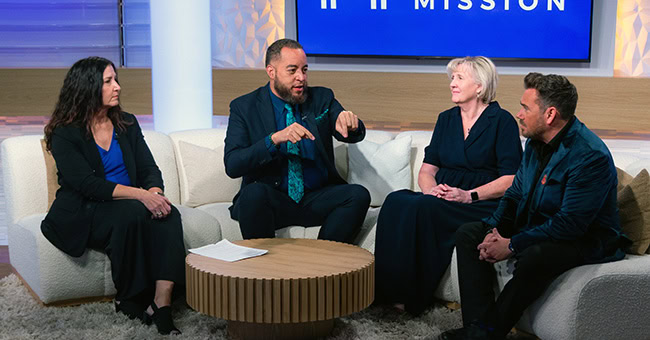
Tad Gary, president and CEO of Mercy Care, said the need for crisis services in Arizona is significant.
“We have about 1.3 million individuals here in Arizona who are suffering from a mental illness,” Gary said, adding that roughly one in five children and adolescents nationally also live with a mental illness. He said Arizona’s crisis system includes a 24-hour, 7-day-a-week crisis line reachable at 988, drop-in psychiatric centers, and mobile crisis teams.
“Unfortunately, what we’re finding is many people don’t know about these critical services,” Gary said, noting that this season aims to raise awareness of care options beyond calling 911 or visiting an emergency room.
Mercy Care and Solari push to expand crisis care access
Justin Chase, CEO of Solari, which operates Arizona’s statewide crisis system and dispatches mobile crisis teams, pointed to steady improvement in how quickly people are connected to the right care.
“We’re also getting better at meeting people where they are the first time,” Chase said, crediting strong partnerships across the state for the progress.
Tenasha Hildebrand, Mercy Care’s crisis and veteran services administrator, said building trust in the system is just as important as building the system itself.
“How do we educate the community and our community partners and citizens about the resources that are available?” Hildebrand said, pointing to partnerships with public safety agencies and outreach efforts with hotels, motels, and organizations like NAMI to spread awareness and build confidence in the services.
The panel’s call to action centered on one number. Gary urged the audience to “know it, share it, and use it,” referring to the 988 crisis line, while Hildebrand said building support around diversion from 911 starts with trust.
“Behavioral health crises demand a collaborative and compassionate response like any other health condition,” Hildebrand said.
Chase added that no single organization can meet the need alone.
“It takes a whole village to support an individual,” he said. “There are so many resources to help and so much to have hope for.”