Phoenix (STN) – As the nationwide housing crisis continues to worsen, homelessness among older adults has become one of the fastest-growing challenges facing service providers across the country.
At Central Arizona Shelter Services (CASS), leaders have begun tackling a critical but often overlooked factor: cognitive health.
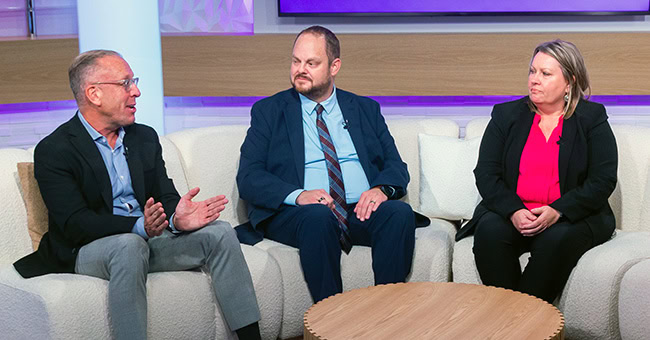
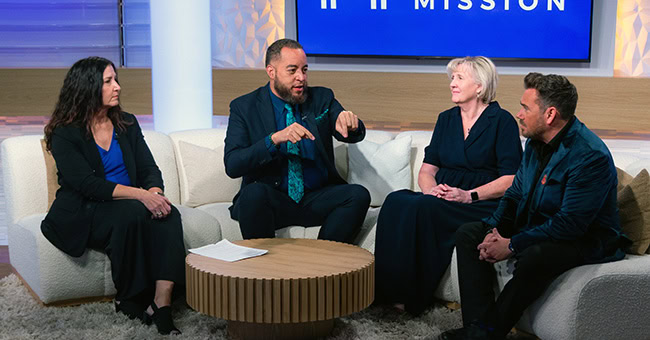
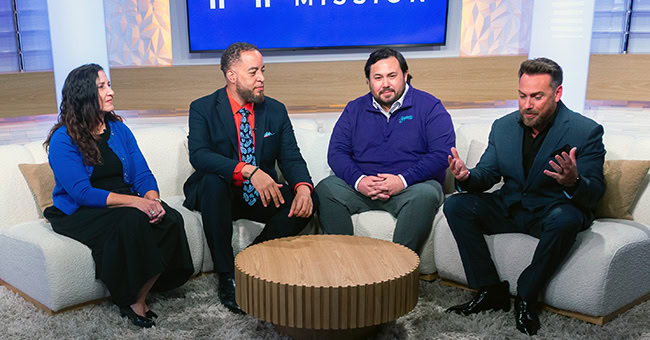
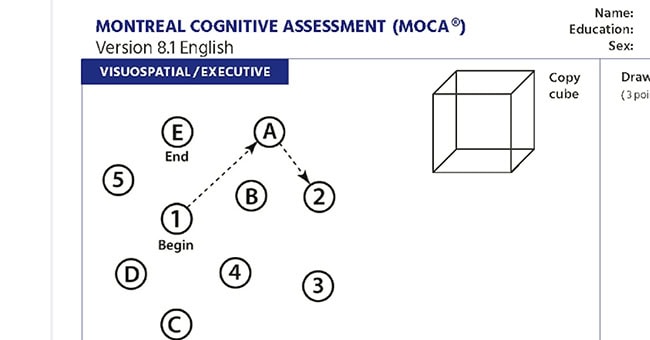
During the March episode of ‘It Happens at STN,’ leaders from CASS and Arizona State University highlighted the organization’s use of the Montreal Cognitive Assessment, or MoCA, as part of a new approach to supporting the increasing number of older adults experiencing homelessness.
“CASS recognized in 2019 the increasing older adult population experiencing homelessness,” said Brittnie Stanton, chief operating officer at CASS. “We developed a senior assessment that screens individuals who are 55 and older.”
One key part of that assessment is the MoCA screening tool, which helps identify potential cognitive concerns that can complicate a person’s path to housing stability.
WATCH: CASS pilot program targets cognitive health for older adults
Nathan Smith, CEO of CASS, said the organization partnered with Arizona State University to train staff to administer the screening.
“ASU has been teaching our staff how to do the Montreal Cognitive Assessment,” Smith said. “It helps us find areas of cognitive decline so we can refer people who need additional support to a memory clinic.”
The screening itself takes about 10 minutes and includes exercises designed to evaluate memory, reasoning and other cognitive functions.
“It’s a screener that doesn’t make a diagnosis,” explained Dr. Heather Ross, assistant professor at Arizona State University. “But it helps identify people who may be at higher risk for mild cognitive impairment or dementia.”
That insight can make a significant difference when working with older adults navigating homelessness.
Rather than treating housing instability alone, the program allows service providers to better understand the deeper challenges some seniors may face as they age.
The MoCA initiative is supported by a three-year grant from Vitalyst Health Foundation, which allowed CASS to pilot the program and evaluate its impact.
“What we need to do first and foremost is continue the program,” Smith said. “Over the last three years we’ve proven the concept. It works, and it provides resources people otherwise would not have access to.”
Smith said the next goal is to expand the approach to other organizations serving older adults.
“We have the people, ASU has the expertise,” he said. “Together we can enhance the lives of people who otherwise might never receive this kind of support.”