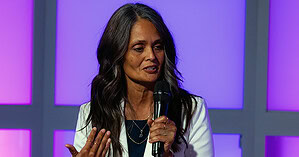
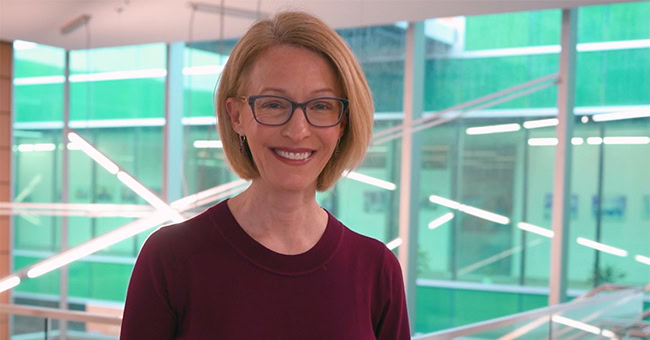
Phoenix (STN) – From the outside, April Reed’s title sounds straightforward: vice president of advocacy at Ability360. In practice, her role lives at the intersection of policy, lived experience, and community access, helping people with disabilities live independently and fully.
Reed’s path into advocacy began long before she stepped into a leadership role. By age 10, she was experiencing chronic pain, fatigue, and mobility challenges. In her early 20s, she was diagnosed with a neurological condition similar to Parkinson’s disease. Rather than allowing her health to narrow her future, her parents helped her widen it.
“They really focused me on education and finding a passion for learning,” Reed said. “They also found ways for me to give back, which helped me focus on what I could do instead of the uncertainty around my health.”
WATCH: April Reed turns lived experience into leadership at Ability360
That emphasis on possibility now shapes her work at Ability360, a federally funded Center for Independent Living that supports people with disabilities of all ages. The organization provides five core services: peer support, advocacy, information and referral, independent living skills, and transition services.
Transition work, Reed explained, spans multiple stages of life. “That may mean helping a young person move from high school into adult life, or helping someone transition out of a nursing home and back into the community,” she said.
At its core, Ability360’s mission is about access, but Reed sees access as more than physical infrastructure.
“We’re always looking for people with shared values,” she said. “People who are ready to meet individuals where they are and build services that are innovative, inclusive, and accessible.”
As policy landscapes shift and demand for services grows, Reed believes collaboration is essential. Partnerships across sectors, she said, are no longer optional.
Her invitation to the community is simple and direct. “Visit ability360.org,” she said. “Reach out. Let’s talk about how we can work together.
“These are challenging times. We need each other more than ever. If you’re not prepared to work with people with disabilities, now is the moment to get ready.”