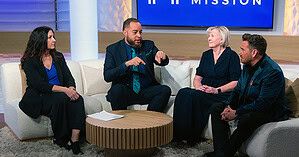


Phoenix (STN) – Food insecurity is often discussed as a matter of hunger, but leaders at Mercy Care and Central Arizona Shelter Services say the issue reaches far beyond empty plates.
During the May episode of ‘It Happens at STN,’ leaders from both organizations explored how food insecurity affects housing stability, workforce performance, and long-term health outcomes, particularly among older adults experiencing homelessness.
To address this head-on, Mercy Care recently awarded a $150,000 grant to CASS to support vital meal services at The Haven—Arizona’s first emergency shelter designed exclusively for seniors and medically vulnerable individuals ages 55 and older.
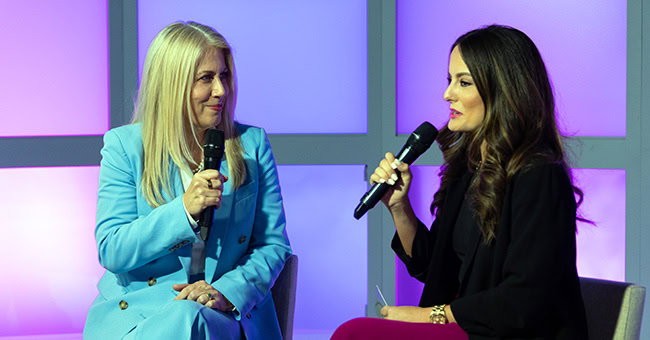
“The Haven serves individuals who are 55 and older experiencing homelessness,” said Laurie Munn, director of marketing and communications at Mercy Care. “We want people to be housed and to have reliable access to healthy food.”
Nathan Smith, CEO of CASS, said food insecurity is fundamentally an economic issue.
“When it’s all said and done, and people have paid their bills, there’s often not enough money left to put enough food on the table,” Smith said.
WATCH: Fixing the food insecurity that is limiting Arizona’s workforce potential
At The Haven, residents often rely on SNAP benefits, but many still struggle to consistently access meals. Providing food directly through shelter services allows residents to use limited resources elsewhere while improving their ability to focus on housing and employment goals.
“If people are hungry, they can’t focus,” Smith said. “It becomes another thing they have to worry about while trying to rebuild their lives.”
The discussion also highlighted the growing importance of partnerships between nonprofits and the private sector.Munn pointed to Mercy Care’s investments in organizations such as United Food Bank and Joy Bus Diner as examples of how targeted funding can address less visible gaps in food access.
“Sometimes it’s not about getting people to the food,” Munn said. “Sometimes it’s about getting the food to the people.”
Smith emphasized that the strongest partnerships go beyond a single donation.
“The best partnerships happen through conversation,” he said. “How do we use resources in the most impactful way possible?”