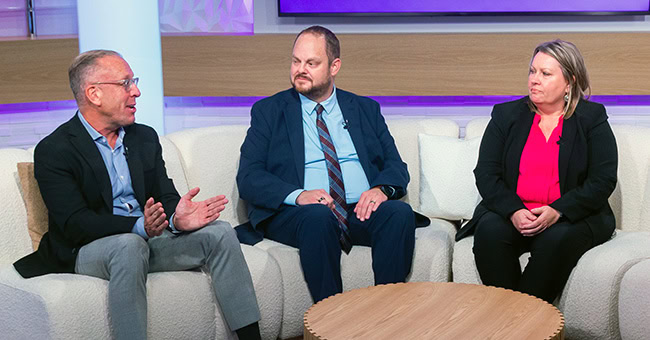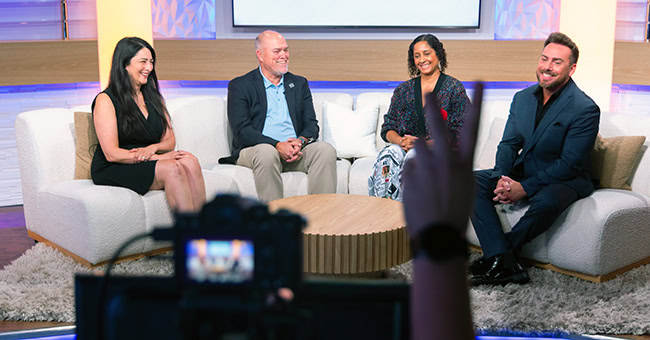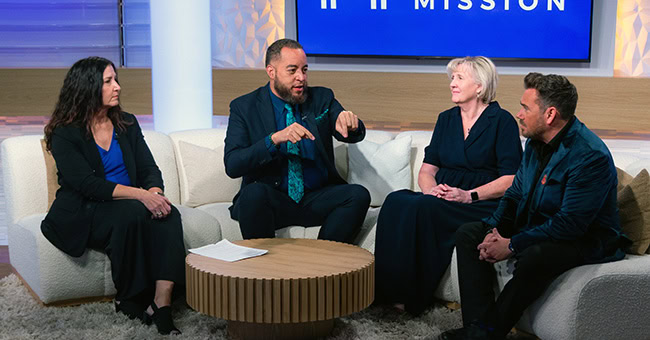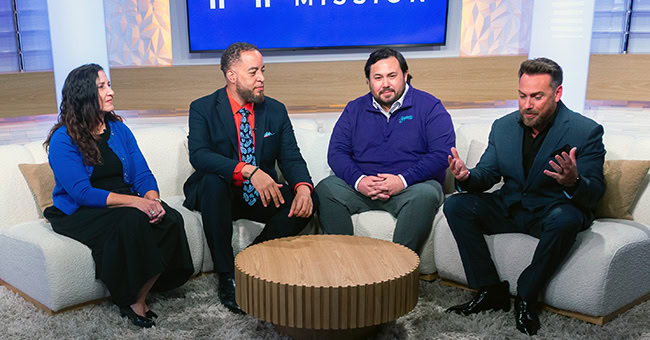
Phoenix (STN) – Long known as a place to donate used clothing and household items, leaders at Goodwill of Central and Northern Arizona say the organization is evolving into something much larger: a workforce development engine and sustainability innovator focused on reducing waste and creating opportunity.
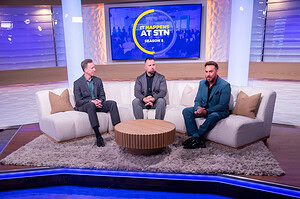
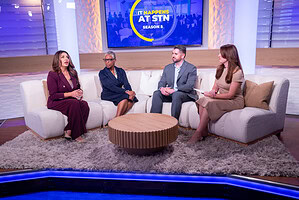
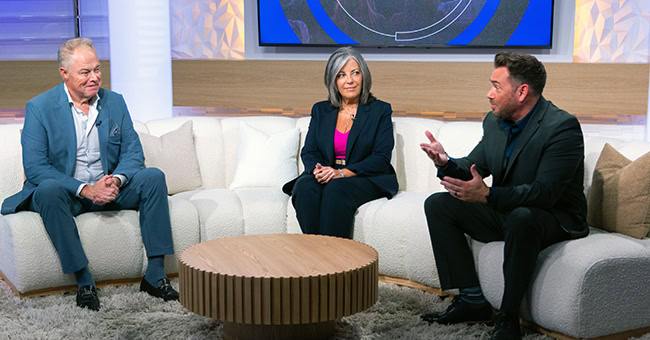
During the May episode of ‘It Happens at STN,’ Goodwill leaders discussed how the organization is expanding beyond traditional resale operations into advanced material recovery, recycling, and AI-driven innovation.
“What excites me is that this is really what we’ve been doing for more than 120 years,” said CEO Tim O’Neal. “People are finally realizing that when you donate something to Goodwill, it does far more than sit on a shelf in a thrift store.”
WATCH: How Goodwill is transforming waste into opportunity and jobs
O’Neal explained that revenue generated through donations supports programs tied to workforce development, veteran services, education, and reentry initiatives across Arizona.
At the same time, Goodwill has dramatically expanded its ability to recycle and repurpose materials that once would have ended up in landfills.
“If something doesn’t sell in our stores, it still gets reused somewhere around the world or remanufactured into something new,” O’Neal said.
Beth Forsberg, Senior Vice President and Chief Sustainability Officer, said the organization is transitioning into what she described as a true material recovery operation.
“Goodwill is transforming from a collect-and-sell model into a material recovery organization,” Forsberg said.
That work now includes recovering plastics, textiles, and other materials that can be reused or remanufactured. The organization recently received support from the Arizona Department of Environmental Quality to implement AI-enabled technology capable of scanning products and identifying material composition.
The goal is to determine how discarded items can become feedstock for future manufacturing.
“We can now scan textiles and identify what they’re actually made of,” Forsberg said. “That opens the door to creating new materials from post-consumer waste.”
Leaders also emphasized the importance of partnerships in driving innovation.
“We don’t always know the answer,” Forsberg said. “But we’re willing to try.”
O’Neal encouraged community members to rethink what they throw away and consider how nearly every item still holds value.
“Most of what people throw in the trash is reusable,” he said.