
Phoenix (STN) – When it comes to artificial intelligence, people don’t have to scroll social media for long or sit through many television commercials to encounter dire warnings about a dystopian future driven by AI.
But during the February episode of ‘It Happens at STN,’ leaders from University of Phoenix and Jobs for the Future focused less on fear and more on how AI was already reshaping work, skills, and leadership, both positively and negatively, and what employers needed to do now to keep pace.
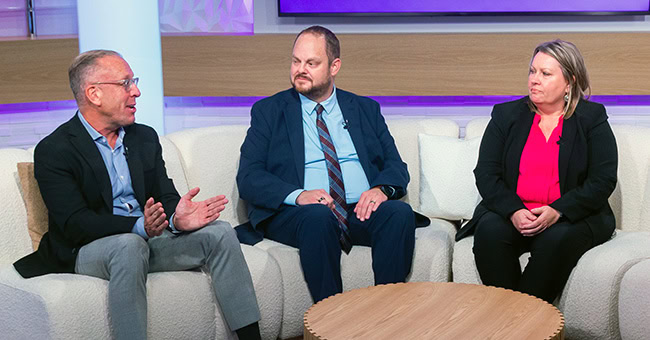
Nathan Jones, VP, Project Management, Workforce Solutions from University of Phoenix and Alison Lands, Vice President, Employer Mobilization from Jobs for the Future work at the intersection of education, workforce development, and emerging technology. Together, they offered a grounded look at how organizations should be responding.
Jones opened by cutting through what he described as the noise surrounding AI. “AI is here. The role of higher education is to get to practical applications for students, employers, and organizations,” he said. For working adults, that meant learning to operate ethically and effectively in environments where AI was embedded in daily tasks.
WATCH: How AI is reshaping the workforce faster than expected
It also meant the traditional model of education was no longer sufficient. “Education has started to creep into the workforce,” Jones added, noting that institutions could no longer train students once and send them off without ongoing engagement. Partnerships with employers, he added, were now essential to keeping skills current.
Lands expanded on that idea by challenging how many organizations were currently using AI. Productivity shortcuts, she said, were only the first step. “If all we do is use AI to do what we’ve already done faster, we’re leaving a lot of value on the table,” she said. AI was not only changing how work got done. “It’s changing the work itself and who does that work.”
That shift included the rise of what Lands described as agentic AI, systems capable of functioning as workers alongside humans. “The manager of the future won’t just lead people,” she said. “They’ll lead a multidimensional workplace of humans and machines creating together.”
Ethics emerged as a critical throughline throughout the conversation. Jones emphasized that as AI tools expanded, deeply human skills became more important, not less. “Ethics, leadership, creativity,” he said, “are skills that organizations must intentionally develop.”
Both speakers agreed that the future depended on collaboration. Education needed to become more applied and work-based, while employers needed to become co-creators of learning. “We can’t leave training solely to employers,” Lands said. “And we can’t expect education to guess what skills will be needed next.”
The takeaway was clear. Organizations that invested now in AI literacy, human skills, and meaningful partnerships will be best positioned for a future that is already arriving.