Phoenix (STN) – When most people think about leadership, they picture meetings, strategy sessions, and public appearances. What they do not always see is the work that happens after dark: the reading, the research, and the quiet preparation that turns good intentions into real outcomes.
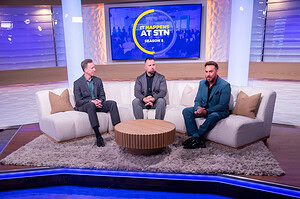
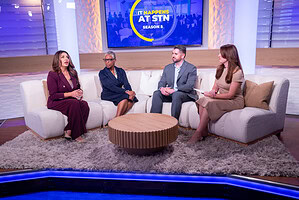
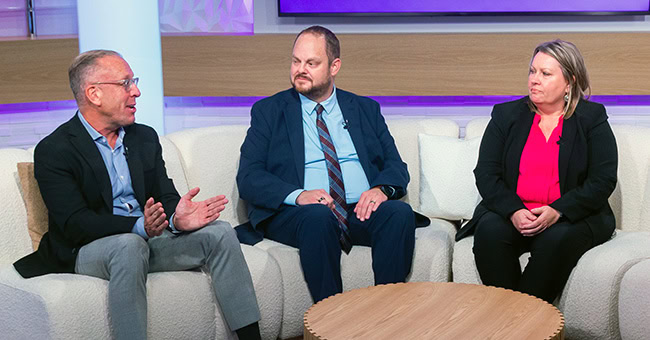
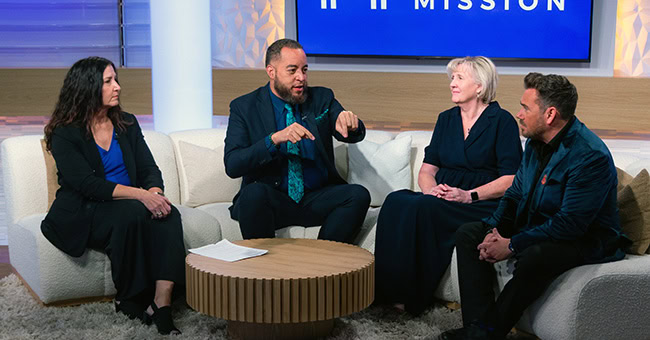
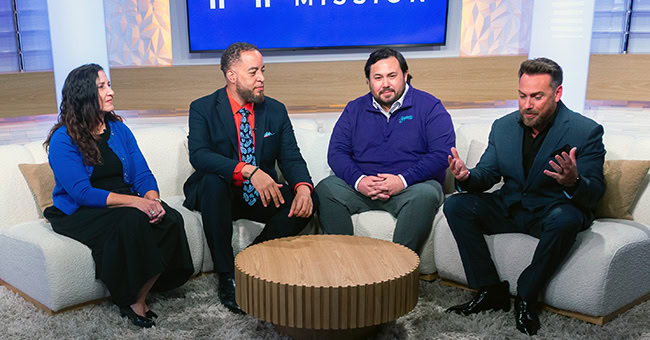
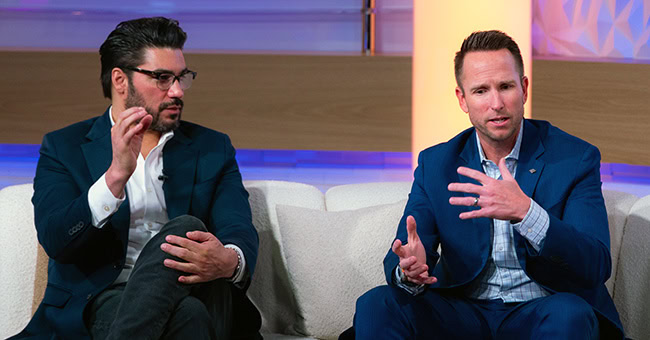
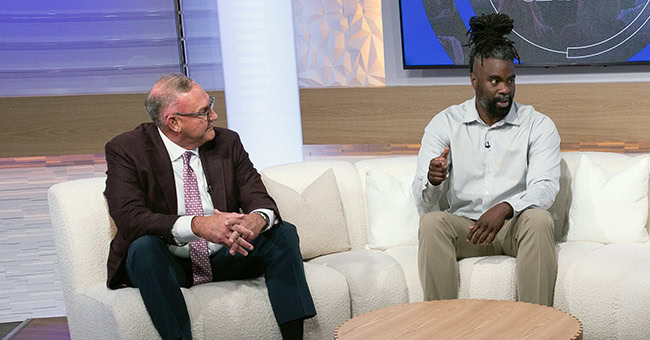
That behind-the-scenes effort was on full display during a conversation that was part of the January episode of ‘It Happens at STN,’ featuring Nathan Smith, CEO of Central Arizona Shelter Services (CASS), and Chuck LeVinus, founder and CEO of AZ DC Consulting.
Smith described advocacy as an extension of frontline service, not a separate responsibility.
“These are laws,” he said. “They govern the way that we approach our service industry and where the dollars go. If the voices of the people who need this stuff the most are represented in that legislation, we can have real impact.”
WATCH: Inside the effort to make policy work for people on the ground
His commitment is personal. After his workday ends, Smith often reviews lengthy bills, tracks amendments, and studies policy language that directly affects people experiencing homelessness. His goal is simple: translate complicated legislation into better outcomes on the ground.
One example stood out. A proposed bill included a $2,000 fine for service providers who failed to call police when drug activity occurred nearby.
“That is a non-starter,” Smith said. “Our people are here to build trust. A policy like that would punish the very workers trying to help.”
Through advocacy, the bill’s language was revised. Providers were required to cooperate with law enforcement without facing personal penalties, a change that protected workers while preserving trust with clients.
LeVinus brought a complementary perspective, describing his role as helping leaders navigate systems most people never see.
“Red tape is made by human beings,” he said. “A lot of times, they don’t even realize it’s a problem until someone shows them.”