Phoenix (STN) – Addressing homelessness requires more than resources. It requires organizations willing to listen, collaborate, and work toward a shared goal.
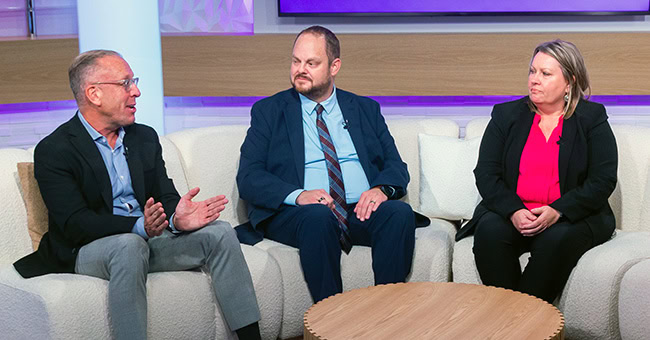
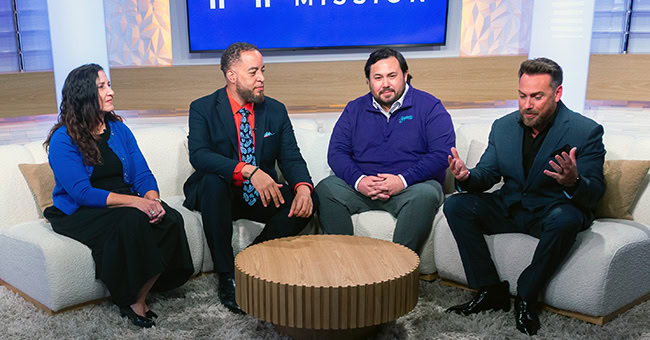
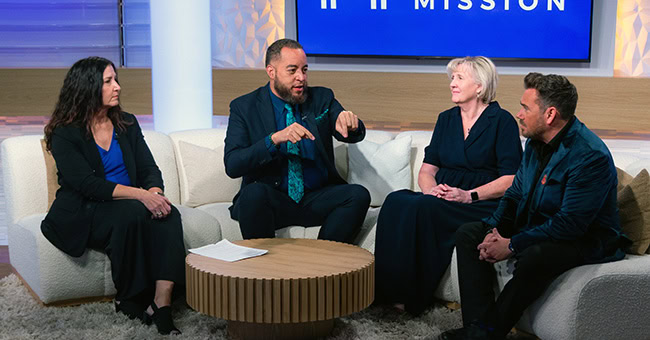
During the Season 4 finale of ‘McQuaid Mission,’ Keys to Change CEO Amy Schwabenlender, Director of Strategic Impact Richard Crews, and LaWana Fulton Mills of The Church of Jesus Christ of Latter-day Saints discussed how partnership and collective impact can drive meaningful systems change.
The conversation centered on a nearly $600,000 grant awarded to Keys to Change following months of relationship-building and collaboration.
WATCH: How listening became the foundation for systems change
Rather than approaching the organization with a predetermined funding strategy, church leaders started with a simple question: “What do you need?”
That question became the foundation for a series of conversations focused on understanding the realities facing people experiencing homelessness and the organizations working to serve them.
For Schwabenlender, the partnership represented more than financial support. It reflected a shared commitment to long-term solutions.
The funding supports efforts designed not only to help people currently experiencing homelessness, but also to strengthen systems that can prevent homelessness in the first place.
Crews said the partnership demonstrates what becomes possible when organizations focus on their strengths and work together.
“Everybody has a puzzle piece,” he said.
He shared the story of a client whose path out of homelessness required creative problem-solving and a willingness to say yes. Through persistence, trust, and collaboration, staff members were able to reunite the individual with a support system in Washington state, ultimately helping him secure stable housing.
The discussion also highlighted the principles of collective impact, a framework built around shared goals, shared measurements, continuous communication, and coordinated action among partners.
For the panel, solving complex challenges requires organizations to move beyond isolated efforts and embrace collaboration.
As Schwabenlender noted, vulnerability and honesty are not weaknesses in leadership. They are often the foundation for trust, stronger partnerships, and lasting change.