Phoenix (STN) – It’s a basic but powerful message: no one organization can end homelessness alone.
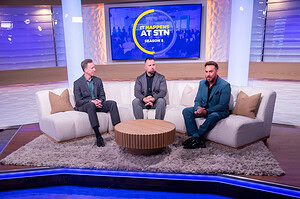
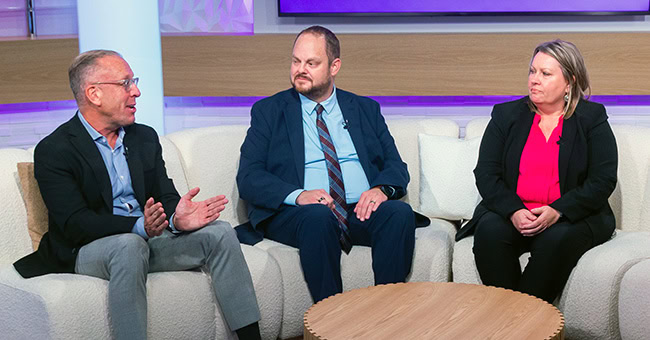
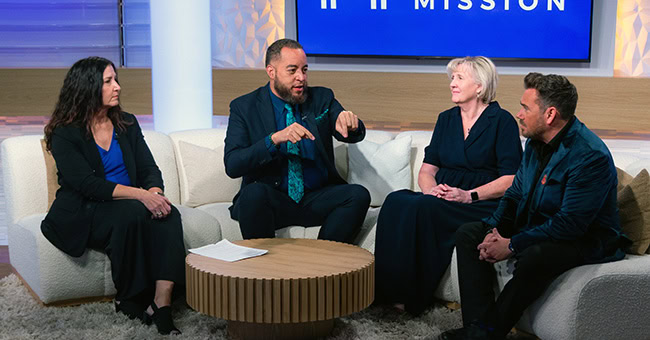
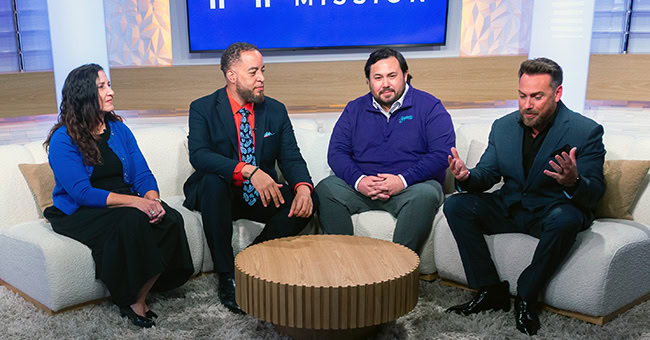
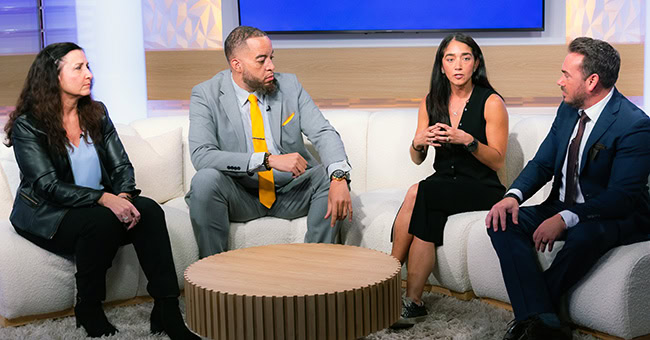
During the November installment of the ‘McQuaid Mission,’ part of ‘It Happens at STN,’ the leadership team from Keys to Change — CEO Amy Schwabenlender and Director of Strategic Impact Richard Crews — explained what can happen when everyone passionate about addressing a problem brings their specific skill set to the table rather than going it alone.
“You’ve got a solution I’m looking for, and I’ve got something you need,” Crews said. “Together there’s so much we can actually do.”
At a recent Key Campus event, Crews helped veteran-serving groups visualize this idea by having attendees lay puzzle pieces across tables to show who they serve and what solutions they offer.
“It’s critical to know what it is that you do, who you serve, and what your obstacles are,” Crews said. “And [ask] what are the literal solutions that exist in the room?”
WATCH: Bringing your puzzle piece to the table to solve homelessness
Schwabenlender shared how, through an unexpected invitation to participate in a trustee meeting with the Nina Mason Pulliam Charitable Trust, she experienced a real-world example of this type of collaboration in action. “It was a true dialogue,” she said. “We weren’t being judged. It broke the mold for how foundations usually work.”
From there, Maureen Salloom, senior program officer at the Pulliam Trust, explained how her team shifted from prescribing solutions to listening.
“We can’t build houses. We can’t change laws. But we can listen. We can invite people to our table,” she said. With input from leaders like Schwabenlender and a new partnership with Keys to Change, Salloom’s team simplified grant applications, offered multi-year funding, and removed excessive reporting that can bog systems down. “We trust you. Go do the good work.”
To close out the conversation, Crews challenged leaders in the audience to stop waiting for permission. “Ask yourself: What can we do with what we already have? What’s our puzzle piece? And then put it on the table. Because together is the only way we solve this.”